Cute Honey Bee Honeycomb Tumbler Wrap: A Designer's Review
As a designer who spends more time staring at stitch maps than most people care to admit, I approach every new embroidery file with a mix of curiosity and skepticism. We've all been there: you buy a design based on a flashy thumbnail, only to find out the stitch density is so high it turns your fabric into cardboard, or the tiny details vanish completely once the needle hits the cloth. So, when I came across the Cute Honey Bee Honeycomb Tumbler Wrap, I didn't just see a sublimation graphic; I saw a potential challenge for translation into thread. While this product is marketed specifically as a high-resolution PNG for 20oz skinny tumblers, my mind immediately went to how these visuals could be adapted for a robust machine embroidery design for a custom boutique line.
First Impressions: Mood and Visual Personality
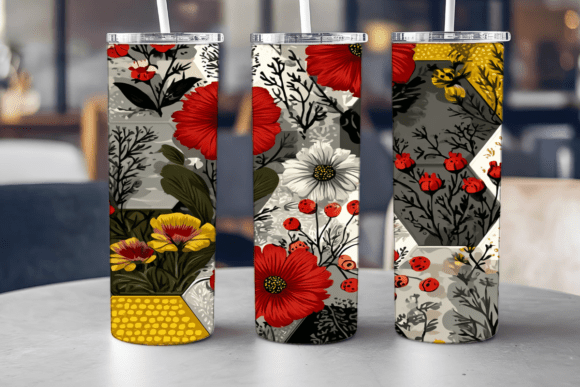
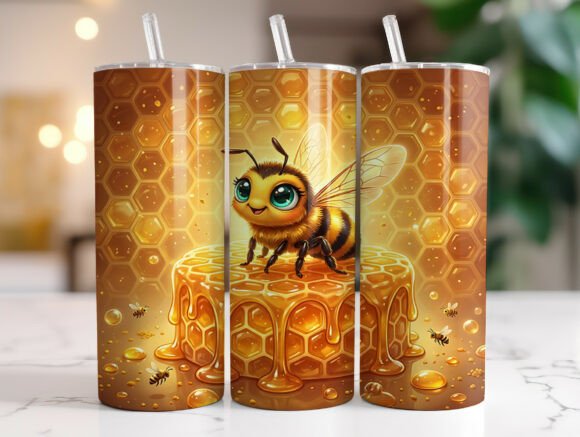
The first thing that strikes you about the Cute Honey Bee Honeycomb Tumbler Wrap is its undeniable charm. It isn't trying to be hyper-realistic or overly complex. Instead, it leans into a whimsical, hand-drawn aesthetic that feels incredibly inviting. The layout features a playful bee hovering near structured honeycomb elements, creating a balance between organic movement and geometric stability. For an embroiderer, this is a promising starting point. The shapes are distinct, which suggests that if this were converted into an applique design or a standard fill stitch pattern, the boundaries would be clear.
The mood is distinctly "springtime boutique." It screams farmer's market, baby shower, and cozy kitchen decor. It lacks the aggressive edges of modern streetwear designs, making it perfect for softer applications. However, as a reviewer, I have to look past the cute factor. The visual personality is strong, but does it have the structural integrity to survive the hoop? The lines appear clean in the 300 DPI preview, which is a good sign for digitizing, but the transition from a printed Tumbler Wrap to a stitched finished product requires a critical eye.
Real-World Application: From Screen to Stitch
Let's play out a real-life scenario. Imagine you run a small shop selling personalized nursery items. A customer requests a set of burp cloths and a matching sweatshirt for a baby girl themed around "busy bees." You have the Cute Honey Bee Honeycomb Tumbler Wrap as a reference or a base layer for your mockups. While the original file is a graphic intended for printing, using it as a guide for your embroidery project changes everything.
If you were to digitize this concept for a sweatshirt embroidery job, the honeycomb structure offers a fantastic opportunity for texture. You could use a satin stitch for the hexagon borders to give them definition, while filling the centers with a lighter fill stitch to mimic the wax texture. The bee itself would need careful attention. In a printed Graphics file, gradients are easy. In thread, you need to decide on thread colors that provide enough contrast without muddying the image. I would recommend sticking to classic golds and blacks, perhaps adding a touch of white for the wings to ensure they pop against a colored garment.
This design also shines when considered for an embroidered patch. Patches are huge right now for Etsy sellers and craft fair vendors. The contained nature of the bee and honeycomb fits perfectly within a merrowed edge. Because the design elements are relatively large and bold, they would hold up well even on a smaller 4x4 hoop, provided the digitizer simplifies the finer details of the honeycomb grid. For a tote bag design, this motif adds a touch of whimsy without overwhelming the canvas material. It's the kind of image that makes a plain bag feel like a handmade product with soul.
Navigating Fabric and Hoop Challenges
Here is where we need to be realistic. Just because a graphic looks good on a screen doesn't mean it translates perfectly to every surface. If you are adapting the vibe of the Cute Honey Bee Honeycomb Tumbler Wrap for custom apparel, you must consider the fabric texture. On a thick terry cloth towel, fine lines can get lost. On a stretchy jersey knit for a baby embroidery project, dense stitching can cause puckering.
You need to be especially careful with the honeycomb details. If the hexagons are too small or too close together, they might merge into a solid block of thread once stitched. This is where checking the stitch density becomes non-negotiable. If you are working with a digitized version of this theme, ask for a test run on scrap fabric identical to your final material. Also, consider the hoop size. While the original graphic is sized for a tall tumbler, embroidery hoops are often square or rectangular. You may need to rearrange the composition, perhaps stacking the bee above the comb rather than placing them side-by-side, to fit a standard 5x7 hoop.
Dark fabrics present another hurdle. The original PNG likely assumes a light or transparent background. If you are stitching this onto a navy blue hoodie or a black apron, you cannot rely on the fabric to show through as part of the design. You will need to add a underlay or stitch a background shape to ensure the yellow of the bee doesn't look dull against the dark cloth. This is a common pitfall when moving from print-ready design assets to thread.
Commercial Value and Brand Consistency
For the commercial embroidery professional, consistency is key. Using a cohesive theme like the one found in the Cute Honey Bee Honeycomb Tumbler Wrap can help build a recognizable brand identity. If you sell a line of "Bee Kind" products, having a consistent visual language across your printable mockup listings and your actual stitched goods builds trust. Customers appreciate when the product they receive matches the high-quality image they saw online.
However, a word of caution on licensing. The product description specifies this is an instant download of PNG files for tumbler wrapping. It does not explicitly state that it includes an embroidery file or a commercial license for stitching. Before you list a personalized gift featuring this specific artwork on your shop, you must verify the terms. Using a sublimation graphic as a trace reference for your own digitizing is generally safe, but selling the direct conversion or claiming the design as your own original embroidery file could be problematic. Always confirm licensing before selling finished products derived from digital downloads.
Final Verdict and Designer Notes
The Cute Honey Bee Honeycomb Tumbler Wrap is a delightful piece of art that excels in its intended medium: sublimation on curved surfaces. But for us stitchers, it serves as an excellent inspiration board. Its strength lies in its simplicity and its emotional appeal. It works beautifully for holiday embroidery gifts, teacher appreciation presents, and spring collections.
If you plan to bring this look to life with thread, here are my practical notes:
- Test First: Never skip the scrap fabric test. Check how the honeycomb lines behave on your specific material.
- Contrast Check: Ensure your thread colors have enough value difference so the design doesn't look flat.
- Stabilizer Matters: Use a cut-away stabilizer for stretchy fabrics like t-shirts to prevent distortion over time.
- Simplify Details: If digitizing this yourself, reduce the number of stops and simplify the honeycomb grid to avoid thread breaks.
- Mockup Reality: View your design in black and white to check for clarity before committing to color.
In conclusion, while the Cute Honey Bee Honeycomb Tumbler Wrap is technically a graphic for tumblers, its design DNA is perfectly suited for the warm, tactile world of embroidery. With the right adjustments for stitch density and fabric choice, it can become a standout element in your craft business, turning simple threads into cherished keepsakes.