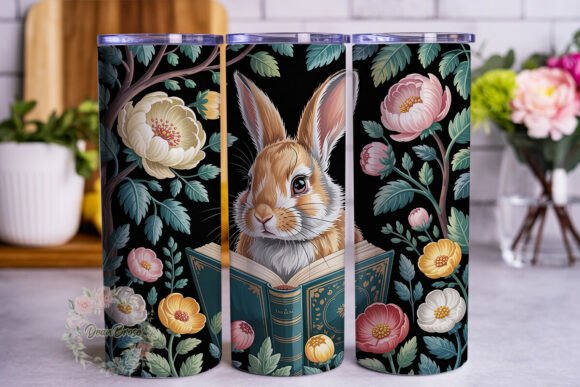
Easter Patchwork Bunny 20oz Tumbler Wrap Review
As a designer who spends more time staring at stitch maps than I do sleeping, I approach every new digital embroidery file with a healthy dose of skepticism. We have all been there: you buy a cute design, load it onto your machine, and realize halfway through that the density is too high for the fabric or the details are too fine to survive a wash cycle. That is why I took a close look at the Easter Patchwork Bunny 20oz Tumbler Wrap before committing it to a client project. While this product is technically listed under Tumbler Wraps and Graphics, my brain immediately started translating those PNG assets into thread. Could this patchwork aesthetic translate into a stunning machine embroidery design for a spring collection? Let's dig into the practical reality of using this asset for real-world embroidery projects.
First Impressions: The Patchwork Aesthetic
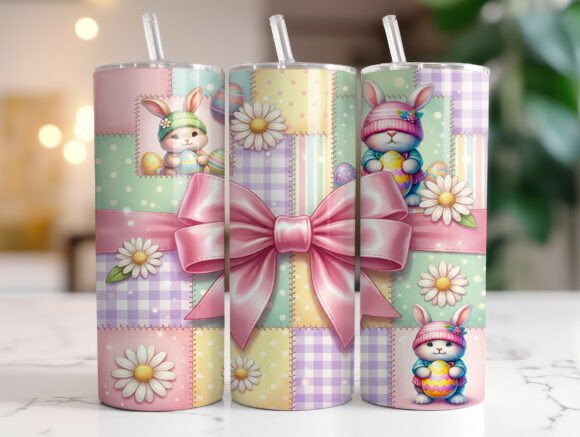
The moment I opened the files, the "patchwork" theme stood out. In the world of holiday embroidery, bunnies can often feel generic or overly cartoonish. However, the visual personality here leans towards a cozy, handmade vibe. The layout suggests a quilted texture, which is fantastic news for us stitchers. Why? Because a patchwork look naturally breaks up large areas of color, allowing us to simulate that effect using varied fill stitch patterns rather than one solid block of satin. This creates visual interest and reduces the risk of puckering on larger designs.
The mood is undeniably cheerful but grounded. It feels like something you would find in a boutique shop rather than a big-box store. For an Etsy seller or craft business owner, this distinction is vital. Customers are willing to pay a premium for items that look thoughtfully designed. The 9.3″ x 8.2″ dimensions provided in the high-resolution PNGs offer a generous canvas. If you were to adapt this for a tote bag design or a large embroidered patch, you have plenty of room to work with without crowding the hoop.
Translating Graphics to Thread: A Real-World Scenario
Let's imagine a realistic scenario. You run a small online shop specializing in personalized gifts. A customer requests a custom sweatshirt embroidery piece for their daughter's Easter basket. They want something unique, not just a standard clip-art bunny. This is where the Easter Patchwork Bunny 20oz Tumbler Wrap shines as a reference tool. Even though the product includes Straight and Tapered PNGs intended for sublimation or printing on tumblers, the clear lines and distinct color blocks make it an excellent template for digitizing or adapting into an applique design.
If you are skilled with digitizing software, you can trace these high-resolution elements to create a multi-layered applique. Imagine using different textured fabrics for each "patch" of the bunny, secured with a neat satin stitch border. The result would be a tactile, high-value handmade product that stands out on a craft fair table. Alternatively, if you are using the graphic as-is for a printed transfer on a cap, the tapered file ensures the image doesn't look distorted on the curved surface. However, for pure embroidery, the straight file gives you the most accurate proportions for flat stitching on towels or pillow covers.
Navigating Fabric and Stitch Challenges
Every design has its quirks, and honesty is key when reviewing design assets. The patchwork style implies many color changes and potential stop-start points. If you decide to stitch this out directly (perhaps by converting the PNG to a stitch file via software), you need to be mindful of stitch density. Dense areas can cause fabric to pucker, especially on stretchy materials like t-shirts or thin baby clothes.
I recommend testing this design on scrap fabric first. Pay close attention to how the thread behaves on dark versus light backgrounds. The contrast in the original graphic is strong, which is good, but you must ensure your chosen thread colors maintain that pop. A common mistake is choosing threads that are too similar in shade, causing the "patchwork" effect to get lost. Also, consider the hoop size. While the design is substantial, ensure your machine can handle the area without excessive re-hooping, which can lead to alignment issues.
Textured fabrics present another consideration. If you are stitching this onto a waffle-knit towel or a fuzzy fleece blanket, the fine details of the patchwork seams might get swallowed by the fabric texture. In such cases, simplifying the design or increasing the stitch length slightly can help maintain clarity. For items that will see frequent washing, like kitchen towels or custom apparel, reinforce the edges. A running stitch underlay might be necessary to keep everything flat and secure over time.
Commercial Viability and Brand Consistency
For small shop product creators, consistency is everything. Using a cohesive theme across your inventory builds brand recognition. The Easter Patchwork Bunny 20oz Tumbler Wrap fits perfectly into a spring lineup that includes nursery decor, tea towels, and even tote bags. Because the design feels curated rather than mass-produced, it enhances buyer engagement. When a customer sees a product with this level of detail, they perceive higher value, which justifies a higher price point.
However, a crucial note on licensing: The product description states "Instant Download" and lists PNG files. It does not explicitly state the license terms for commercial embroidery use. Before selling finished items or digital derivatives, you must confirm the licensing agreement. Some graphic designers allow physical sales but restrict digital redistribution. Always check the fine print to protect your craft business from legal headaches.
Final Verdict for Makers
In conclusion, the Easter Patchwork Bunny 20oz Tumbler Wrap is a versatile asset that transcends its primary category. While it is optimized for 20oz skinny tumblers, its true potential lies in the hands of a creative entrepreneur willing to adapt it. Whether you are creating a baby embroidery piece for a shower gift or a bold statement for a commercial embroidery run, the design offers a solid foundation. Just remember to test your stabilizer choices, verify your color contrasts, and respect the licensing terms. With the right approach, this graphic can become the star of your seasonal finished product lineup.