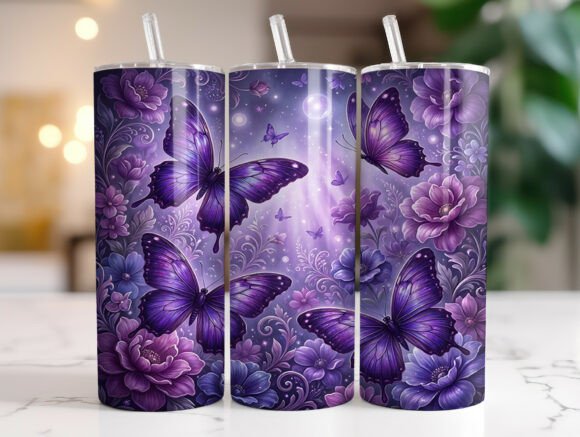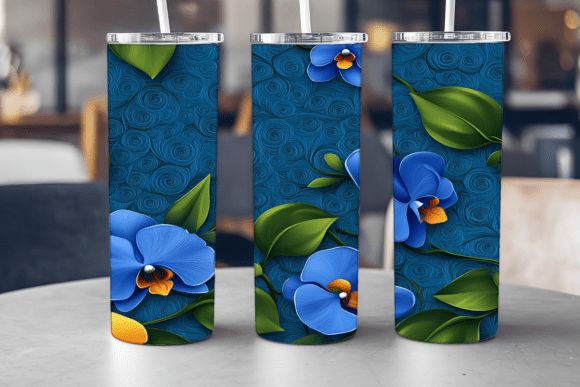
Orchid Flower Magic Tumbler: A Designer's Review
As someone who spends most of their day staring at digitized files and thread charts, I approach new design assets with a healthy dose of skepticism. We have all downloaded a file that looked stunning on the screen only to turn into a puckered mess on the fabric. When I first pulled up the Orchid Flower Magic Tumbler, my initial reaction was curiosity mixed with caution. The product description highlights its suitability for 20oz skinny tumbler seams, positioning it firmly within the realm of Tumbler Wraps and sublimation Graphics. However, as an embroidery specialist, my mind immediately went to a different place: How does this floral motif translate when we swap ink for thread?
First Impressions and Visual Personality
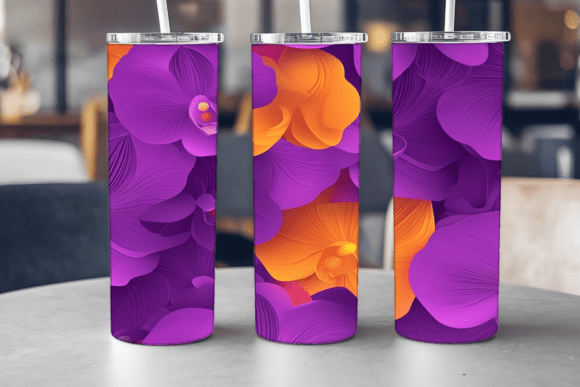
The visual personality of the Orchid Flower Magic Tumbler is undeniably elegant. Orchids carry a specific mood—they suggest sophistication, growth, and a touch of exotic flair. In this design, the layout feels organic rather than rigid, which is crucial for floral motifs. When evaluating a machine embroidery design, I look for flow. Does the eye travel naturally across the petals? Are the leaves balanced? This file offers a strong composition that would likely shine in a large hoop application. The detail level appears high, suggesting that if digitized correctly for stitching, it could utilize a beautiful mix of satin stitch for the petal edges and fill stitch for the broader color blocks.
For a designer, the "magic" here lies in the versatility of the theme. While the source material is optimized for a curved tumbler surface, the core graphic elements are robust enough to be adapted. It creates a mood that fits perfectly with boutique branding or high-end personalized gifts. It doesn't scream "craft fair bargain bin"; instead, it whispers "custom boutique item."
Real-World Application: Beyond the Tumbler
Let's move away from the theoretical and talk about a real scenario. Imagine a client comes to your small shop requesting a coordinated set for a bridal shower. They want a tote bag for the bride and matching tea towels for the party favors. This is where I see the Orchid Flower Magic Tumbler finding a second life. Although marketed as a wrap, the floral arrangement is distinct enough to serve as a central motif for a tote bag design.
If I were stitching this onto a canvas tote, I would focus on the contrast. Orchids often feature gradients and subtle color shifts. In embroidery, we achieve this through thread blending or careful color selection. Using a high-quality rayon or polyester thread with a slight sheen would mimic the delicate texture of real orchid petals. For a sweatshirt embroidery project, perhaps for a spring collection, this design could be scaled down and placed on the chest or sleeve, acting as a subtle brand marker rather than a massive back print.
Consider also the potential for baby embroidery. Soft pastels derived from this graphic could adorn a nursery blanket or a receiving blanket. The organic shapes of the flowers are gentle and non-threatening, making them ideal for infant items. However, one must be mindful of stitch density. Babies have sensitive skin, so if you are adapting this graphic into an embroidery file, you must ensure the back of the stitching is clean and not overly dense, possibly using a backing stabilizer that feels soft against the skin.
Technical Challenges and Fabric Considerations
Here is where we need to be brutally honest. Taking a design intended for a smooth, printed surface like a tumbler wrap and converting it for fabric requires technical foresight. The Orchid Flower Magic Tumbler likely contains fine lines and intricate details that work beautifully in 300 DPI print resolution. In embroidery, those same details can become nightmares if the hoop size is too small or the fabric is unstable.
If you attempt to stitch this on a textured fabric like a waffle-knit towel or a rough linen, the fine details of the orchid might get lost. The fabric texture can swallow small running stitch outlines. For best results, this design demands a stable, smooth base. A twill cap might be tricky due to the curvature; the long spans of the orchid leaves could cause registration issues if the digitizing isn't adjusted for the curve of the hat. Similarly, stretchy fabrics like jersey knits require a cut-away stabilizer to prevent the design from distorting after the first wash.
Dark fabrics present another hurdle. If the original graphic relies on light colors popping against a transparent background, you will need to plan for an underlay or perhaps even consider an applique design approach. Cutting fabric shapes to match the orchid petals and stitching them down could solve the coverage issue on black navy garments, adding a tactile dimension that pure thread cannot achieve.
Value, Trust, and Brand Consistency
Why does any of this matter? Because the finished product reflects directly on your reputation as an Etsy seller or craft business owner. Using a cohesive design like the Orchid Flower Magic Tumbler across different products builds brand recognition. If a customer buys a tumbler with this wrap and later sees a matching pillow cover with the embroidered version, they perceive a level of professionalism that builds trust.
Visual appeal drives sales. A well-executed embroidery project based on strong graphics increases the perceived value of the item. It transforms a generic handmade product into a luxury personalized gift. However, this only works if the execution is flawless. Sloppy stitching or poor thread color choices can degrade the elegance of the orchid theme, leading to buyer disappointment. Consistency in your thread colors and finishing techniques is key to maintaining that high-end feel.
Practical Notes for the Maker
Before you commit to stitching this on a client's expensive garment, heed these practical warnings. First, always test the design on scrap fabric that matches the weight and weave of your final material. Do not skip this step. Check how the stitch density affects the drape of the fabric. Second, review the color contrast. What looks good on a screen might look muddy in thread. Test your design in black and white mockups to ensure the shapes hold up without relying on color differentiation.
Since the source file is described as a digital graphic for tumblers, verify the licensing terms before selling finished items. Just because you can technically embroider it doesn't mean the license permits commercial use of the derived embroidery design. If you are creating a new digital embroidery file based on this graphic, ensure you have the rights to modify and sell the stitch-out.
Finally, pay attention to the small details. Inspect the tiny corners of the leaves and the centers of the flowers. These are the areas where machines often struggle. You may need to manually edit the file to add tie-offs or reduce pull in tight corners. Whether you are making holiday embroidery gifts or stock for a boutique, taking the time to refine the file ensures the finished product stands the test of time and washing.
In conclusion, the Orchid Flower Magic Tumbler offers a beautiful foundation for creative expansion. While it shines as a Graphic for sublimation, its true potential for the embroidery enthusiast lies in thoughtful adaptation. With the right fabric, proper stabilization, and a keen eye for detail, this design can elevate your commercial embroidery portfolio, turning simple threads into art that customers cherish.