Red Rose Bloom Tumbler: A Designer's Review
As a designer who spends more time staring at stitch maps than most people spend on their phones, I approach every new digital embroidery file with a healthy dose of skepticism. We have all been there: you buy a stunning graphic, convert it, and realize the density is all wrong for the fabric you intended to use. That is why I took a close look at the Red Rose Bloom Tumbler design. While the product listing categorizes this under Tumbler Wraps and Graphics, my interest lies in how these visual assets translate into tangible, stitched reality for our craft businesses.
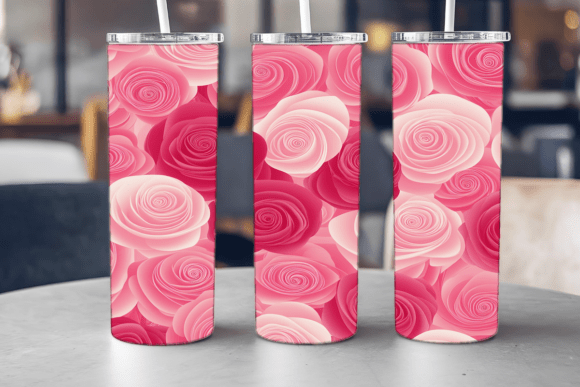
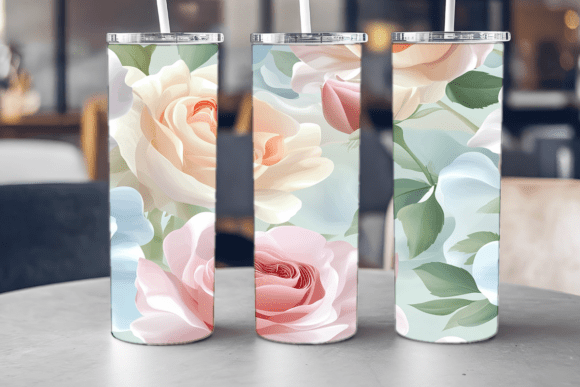
The first thing that strikes me about the Red Rose Bloom Tumbler is its mood. It isn't just a flower; it is a statement of classic elegance. The layout suggests a bold, central focal point that demands attention without feeling cluttered. For those of us creating handmade products, the visual personality of a design dictates where it belongs. This specific rose bloom feels at home on items that need a touch of romance or sophistication. It creates an immediate emotional connection, which is exactly what we want when a customer opens a personalized gift.
Translating Graphics into Stitched Reality
The product description highlights a 300 DPI PNG sized for a 20oz skin. As an embroidery professional, I immediately start thinking about the conversion process. A high-resolution graphic like the Red Rose Bloom Tumbler is a fantastic starting point for digitizing, but it requires careful handling. If you are planning to use this as a reference for a machine embroidery design, the clarity of the original graphic is crucial. The deep reds and organic shapes suggest a design that would benefit from a mix of satin stitch for the petal edges and a well-planned fill stitch for the body of the bloom.
Imagine a real-life scenario: a client comes to your small shop requesting a custom tote bag for a bridal shower. They want something elegant but not overly fussy. The Red Rose Bloom Tumbler aesthetic fits this perfectly. When stitched onto a heavy canvas tote bag design, the rose can serve as a stunning centerpiece. However, because the source material is a graphic intended for sublimation or printing, you must be vigilant about stitch density. Graphics often have gradients and soft edges that do not translate well to thread if the digitizer uses too many tiny stitches. You would need to simplify the details to ensure the finished product holds up to wear and tear.
Performance Across Different Applications
Where does this design truly shine? In my experience, floral motifs like this are incredibly versatile for commercial embroidery projects. Consider sweatshirt embroidery. A large rose bloom on the back of a neutral-colored hoodie creates a boutique-style look that sells quickly on platforms like Etsy. The Red Rose Bloom Tumbler theme offers a timeless appeal that transcends seasonal trends, making it a safe bet for year-round inventory.
For baby embroidery, caution is key. While the beauty of the rose is undeniable, babies have sensitive skin. If you adapt this graphic for a onesie or blanket, you must ensure the back of the stitching is clean and covered, perhaps using a soft stabilizer that doesn't leave a rough residue. The design might be too dense for lightweight knits unless you scale it down significantly and reduce the stitch count. Conversely, for home decor items like pillow covers or kitchen towels, the full size and detail level of the Red Rose Bloom Tumbler concept would work beautifully, adding a splash of color to a nursery or kitchen.
We also cannot ignore the potential for embroidered patch creation. A rose this distinct could be digitized as a merrow-edge patch, which is a huge trend in craft business circles right now. Patches allow you to apply the design to curved surfaces like caps or backpacks without worrying about the fabric distorting the stitch pattern. This expands the utility of the original graphic beyond flat garments.
Critical Considerations for Execution
Before you commit to stitching the Red Rose Bloom Tumbler on a client's expensive garment, there are several technical hurdles to clear. First, consider the hoop size. Floral designs often require a larger hoop to capture the full spread of the petals. If you are working with a standard machine, ensure the design fits within your maximum area without needing a re-hoop, which can lead to alignment issues.
Fabric texture plays a massive role here. On smooth, tightly woven fabrics, the details of the rose will pop. However, on textured fabrics like terrycloth or fuzzy fleece, fine details can get lost. If you are attempting holiday embroidery on a thick blanket, you may need to increase the stitch length or simplify the inner petal details to prevent bird-nesting. Similarly, dark fabrics require careful selection of thread colors. The red in the Red Rose Bloom Tumbler graphic is vibrant, but on black fabric, you might need to add a lighter underlay or outline to make the shape distinct.
Stretchy fabrics present another challenge. If you are applying this to a t-shirt or leggings, the natural stretch of the material can distort the circular symmetry of the rose. Using a cut-away stabilizer is non-negotiable in these cases to maintain the integrity of the applique design or filled areas over time.
Enhancing Brand Value and Customer Trust
Ultimately, the goal of using a design like the Red Rose Bloom Tumbler is to elevate your brand. When a customer sees a perfectly executed rose on a product, it signals professionalism. It tells them that you care about brand consistency and quality. In the world of Etsy seller competition, the difference between a generic print and a thoughtful embroidery job is immense. The tactile nature of thread adds value that a simple graphic wrap cannot match.
This design has the potential to improve buyer engagement. People love sharing photos of beautiful, handmade items on social media. A well-stitched rose is "Instagrammable," which provides free marketing for your small shop product line. Whether you are creating wedding gifts or updating your spring collection, the visual appeal of this motif can drive sales.
Practical Notes for the Smart Designer
If you decide to move forward with adapting the Red Rose Bloom Tumbler for your needlework, here is my checklist for success:
- Test on Scrap First: Never stitch a new design on the final garment. Use a scrap piece of the same fabric to check tension and density.
- Check Contrast: View your digitized version in black and white to ensure the shapes remain distinct without relying on color.
- Verify Licensing: Since the original asset is a graphic for tumbler wraps, confirm with the creator if you have the rights to use it for commercial design assets in embroidery. Do not assume a digital download includes unlimited commercial rights for physical goods.
- Stabilizer Selection: Match your stabilizer to the fabric weight. Heavy designs need strong support.
- Thread Quality: Use high-sheen rayon or polyester threads to mimic the vibrancy of the original 300 DPI graphic.
In conclusion, while the Red Rose Bloom Tumbler starts as a digital graphic for drinkware, its potential as a custom apparel and decor element is significant. With the right digitizing adjustments and a keen eye for fabric compatibility, it can become a staple in your embroidery project portfolio. It is a reminder that great design is not just about the image itself, but how we translate it into the physical world for our customers to cherish.