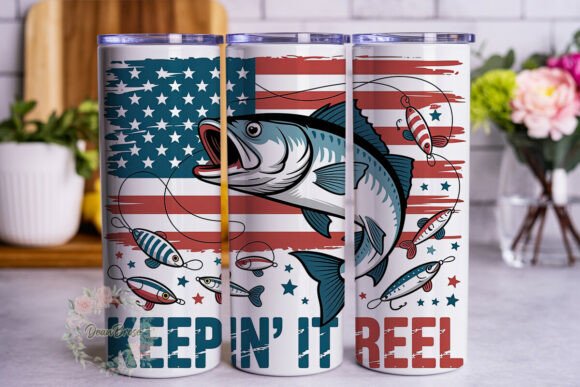
Review: Distressed Patriotic Fishing Tumbler Design
As a designer who spends more time staring at stitch maps than most people spend looking at their phones, I approach every new machine embroidery design with a healthy dose of skepticism. We have all been burned by files that look crisp on the screen but turn into a bird's nest of thread breaks and puckering on the hoop. So, when I pulled up the Distressed Patriotic Fishing Tumbler, my first instinct wasn't to click "buy," but to analyze its potential for real-world application. This isn't just a graphic; it is a potential revenue stream for Etsy sellers and small shop products if executed correctly.
The Visual Personality and First Impressions
The immediate draw of this design is its mood. The "distressed" aesthetic is not merely a trend; it is a practical choice for embroidery. Clean, solid blocks of color can sometimes look too plastic or heavy on textured fabrics like cotton canvas or French terry. A distressed look, however, mimics the natural wear of a well-loved handmade product. It suggests history and durability before the needle even touches the fabric.
The composition blends patriotic themes with outdoor leisure, a niche that performs exceptionally well in the custom apparel market. Whether you are envisioning this on a sweatshirt embroidery project for a summer family reunion or a tote bag design for a lakeside boutique, the layout feels balanced. The dimensions provided—9.3″ x 8.2″—indicate a substantial graphic. This is not a subtle chest logo; it is a statement piece intended for the back of a jacket, the front of an apron, or a large embroidered patch.
Real-World Application Scenarios
Let's move beyond theory and talk about how I would actually use this in my shop. My first thought was a custom order for a client running a fishing charter business. They needed branded merchandise that didn't look like cheap promotional swag. Using the Distressed Patriotic Fishing Tumbler as the basis for a large back-design on navy blue hoodies would be perfect. The distressed elements allow the fabric texture to peek through, integrating the design into the garment rather than sitting on top of it like a sticker.
Another viable avenue is the holiday embroidery market, specifically for Memorial Day or Fourth of July collections. While many designers rush out generic flag designs, this graphic offers a lifestyle angle that appeals to a specific demographic. It could easily be adapted for baby embroidery on a onesie, provided the scale is reduced significantly, though one must be cautious with detail loss at smaller sizes. For commercial embroidery projects, this design shines on home goods. Imagine this stitched onto a heavy-duty kitchen towel or a pillow cover for a cabin decor line. The rugged aesthetic aligns perfectly with rustic interior trends.
Navigating Technical Challenges
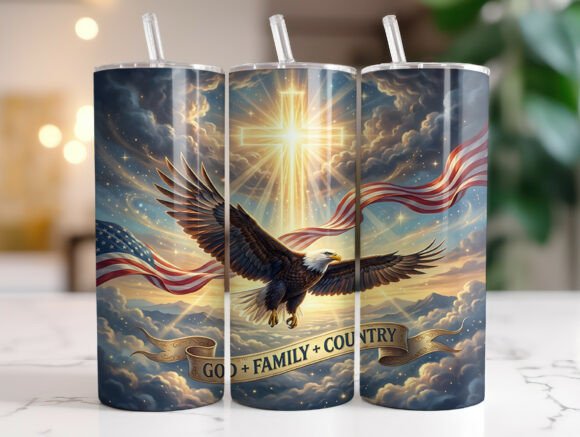
Here is where experience matters. A design labeled for "Tumbler Wraps" and categorized under Graphics often implies it was originally intended for sublimation or printing. As embroiderers, we know that what works in ink does not always translate to thread. The high resolution of 300 DPI is excellent for reference, but it does not dictate stitch count. Before committing to a production run, you must verify if this is a raster image meant for digitizing or if it includes vector data.
If you are digitizing this yourself from the provided PNG files, pay close attention to the stitch density. Distressed effects often rely on sparse details. If you fill these areas with too many fill stitch commands, you risk creating a stiff, cardboard-like feel on the fabric. Conversely, if the density is too low, the backing stabilizer might show through, ruining the illusion. I recommend testing different thread colors against the base fabric. On dark fabrics, ensure your underlay is robust enough to prevent the garment color from muting the patriotic reds and blues.
There are specific scenarios where caution is required. Do not attempt this design on stretchy, thin fabrics like rayon jersey without significant stabilization. The large surface area (over 9 inches wide) creates a high risk of puckering if the fabric cannot support the weight of the thread. Similarly, avoid using this on curved surfaces like caps unless you have extensive experience mapping large designs onto small hoops. The hoop size required for a 9.3-inch width likely exceeds standard cap frames, necessitating a re-hooping strategy that can introduce alignment errors.
Enhancing Brand Value and Customer Trust
In the world of craft business, presentation is everything. A well-executed version of the Distressed Patriotic Fishing Tumbler elevates the perceived value of the finished product. Customers associate clean, thoughtful stitching with professionalism. When a buyer sees that the distressed edges were intentionally digitized to look weathered rather than appearing as sloppy stitching, it builds trust. This design has the potential to become a signature element for a brand specializing in outdoor or patriotic gear.
For those selling digital embroidery file assets, providing mockups that show this design on various textures—denim, canvas, fleece—can significantly boost engagement. Show your customers how the fabric texture interacts with the distressing. A printable mockup is good, but photos of actual stitched samples sell the dream far better. This approach helps buyers visualize the end result, reducing hesitation and increasing conversion rates for your design assets.
Practical Notes for the Studio
Before you load this into your machine for a client order, follow these steps to ensure success:
- Test on Scrap Fabric: Always stitch a sample on the exact same material and weight as the final product. Check for registration issues and thread breaks.
- Verify Licensing: The product description mentions PNG files for tumblers. Confirm explicitly whether the license allows for commercial embroidery use or if it is restricted to print/sublimation only. Never assume.
- Check Stitch Types: If digitizing, determine where to use satin stitch for borders versus running stitch for fine details. Avoid tiny lettering within the distressed areas, as it may not stitch out clearly.
- Stabilizer Selection: For a design of this magnitude, a cut-away stabilizer is usually safer than tear-away, especially on garments that will undergo frequent washing.
- Color Contrast: Review the design in black and white to ensure the tonal values provide enough contrast. If the red and blue blend together in grayscale, they might lack definition when stitched.
The Distressed Patriotic Fishing Tumbler offers a compelling blend of style and substance. It fits naturally into the current market demand for personalized, rugged, and meaningful goods. However, its success relies entirely on the skill of the maker. By respecting the technical limitations of embroidery and understanding the nuances of the distressed aesthetic, you can transform a simple graphic file into a standout custom apparel item or a best-selling personalized gift. Treat it with the care it deserves, and it will undoubtedly become a staple in your portfolio.