Flying Jewel Hummingbird Tumbler: A Designer's Review
As someone who has spent years digitizing patterns and stitching out thousands of machine embroidery designs for clients, I approach every new digital embroidery file with a critical eye. It is not just about whether the image looks pretty on a screen; it is about how that design translates into thread, how it behaves on different fabric textures, and ultimately, how it elevates the finished product. Today, I am evaluating the Flying Jewel Hummingbird Tumbler. While the product listing categorizes this under Tumbler Wraps and Graphics, my focus is strictly on its potential as a robust asset for real-world embroidery projects, custom apparel, and handmade goods.
First Impressions: Mood and Visual Personality
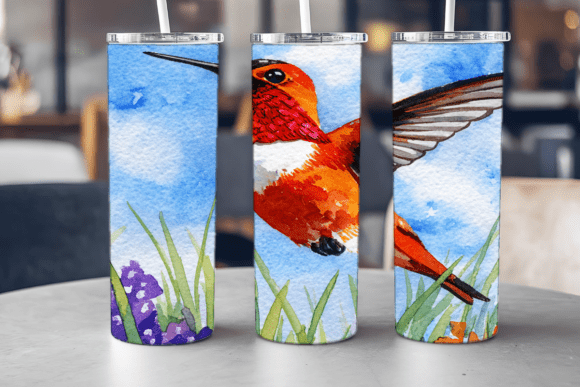
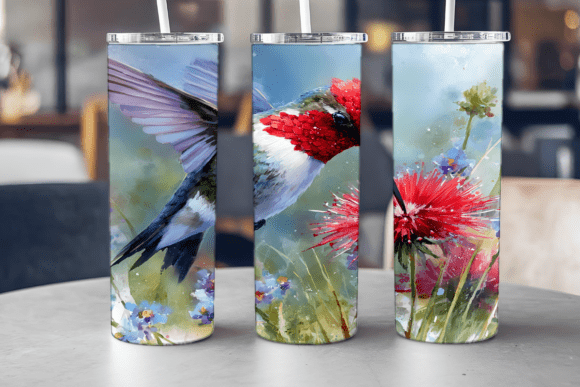
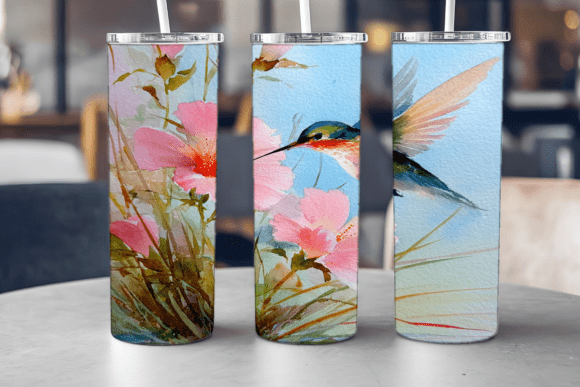
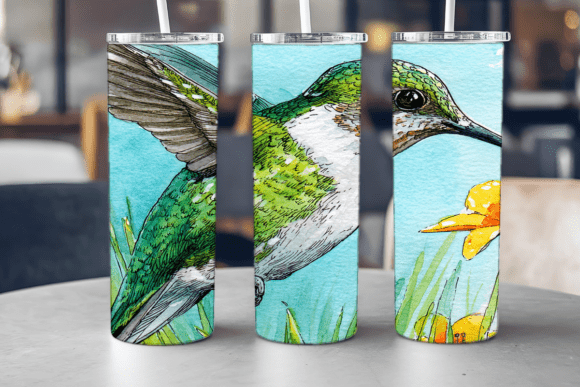
The moment you load the Flying Jewel Hummingbird Tumbler onto your workspace, the first thing that strikes you is the vibrancy implied by the name. "Jewel" suggests high saturation, iridescence, and a certain level of detail that demands respect from the stitcher. In a printable mockup or preview, the composition feels dynamic. The hummingbird is not static; it captures motion, which is excellent for creating visual interest on a handmade product.
For an embroidery designer, the layout is crucial. This graphic appears to have a strong central focal point, making it ideal for placement on chest pockets, tote bag centers, or pillow covers. The theme leans towards nature and elegance, fitting perfectly into boutique branding or personalized gift lines. However, because this originates as a high-resolution PNG intended for sublimation or printing, translating it into an embroidery project requires careful consideration of how those gradients and fine lines will be rendered in thread.
Real-World Application: From Screen to Stitch
Let's imagine a realistic scenario. You run a small shop selling custom apparel and home decor. A client approaches you wanting a set of kitchen towels and a matching apron for a housewarming personalized gift. They love the idea of a hummingbird but want something more durable than a print. This is where the Flying Jewel Hummingbird Tumbler concept shines, provided you adapt it correctly.
If you are using this graphic as a reference to create a custom applique design or to manually digitize into a machine embroidery design, the distinct shapes allow for creative freedom. You could use a satin stitch for the outline of the wings to give them a sleek, defined look, while employing a fill stitch for the body to capture that "jewel" density. For a tote bag design, the boldness of the image holds up well against canvas or heavy cotton. On a lighter fabric, like a baby onesie for baby embroidery, you would need to simplify the details to prevent puckering and ensure comfort against sensitive skin.
For Etsy sellers and craft business owners, the versatility of this motif is a major selling point. It works beautifully for holiday embroidery during spring seasons, wedding gifts for nature lovers, or even as part of a cohesive brand identity for a eco-friendly product line. The key is recognizing that while the source file is a graphic, its value lies in how you interpret it into stitches.
Navigating Technical Challenges
Every designer knows that a beautiful image can turn into a stitching nightmare if the technical specifics are ignored. When working with a design inspired by the Flying Jewel Hummingbird Tumbler, there are several areas requiring caution.
- Small Hoop Sizes: If you attempt to shrink this design for a cap or a small patch, the intricate details of the wings and feathers may merge. Always check if the design retains clarity when resized.
- Textured and Stretchy Fabrics: Hummingbirds often feature delicate, thin lines. On stretchy fabrics like jersey knits used in t-shirts, or textured fabrics like terrycloth towels, these fine lines can get lost or cause the fabric to pucker. Proper stabilization is non-negotiable here.
- Dense Stitch Areas: The "jewel" aspect implies rich color. If digitizing this, be wary of creating areas with excessive stitch density. Too many layers of thread can make the design stiff and uncomfortable, especially on wearables like sweatshirts or hats.
- Dark Fabric Backgrounds: Ensure your thread colors have enough contrast. A dark blue bird on a black navy sweatshirt will vanish. You may need to add a backing layer or adjust the color palette for visibility.
Enhancing Product Value and Brand Trust
In the world of commercial embroidery and handmade sales, presentation is everything. Using a well-thought-out design like the Flying Jewel Hummingbird Tumbler directly impacts customer trust. When a buyer sees clean, crisp stitching with thoughtful color choices, they perceive higher value. It signals professionalism.
For small shop products, consistency is key. If you use this motif across a range of items—perhaps an embroidered patch for a jacket, a design on a pillow cover, and a detail on a tea towel—it creates a recognizable brand aesthetic. This recognition drives buyer engagement and repeat business. Customers are not just buying a stitched item; they are buying the assurance of quality and the emotional connection of a beautifully crafted personalized gift.
Practical Notes for the Professional Stitcher
Before you commit this design to a final client project, I strongly advise following a few practical steps to ensure success. Since the original product description highlights it as a graphic for tumblers, specific embroidery data like exact stitch counts or pre-made hoop compatibility might not be inherent to the file itself unless explicitly stated as an embroidery format.
- Test on Scrap Fabric: Never skip the test run. Stitch the design on the same type of fabric you intend to use for the final product to check for registration issues.
- Check Thread Contrast: View your test stitch-out in black and white or step back from it to ensure the tones separate clearly.
- Review Stitch Density: If you are digitizing this from the graphic, ensure your underlay is sufficient to support the top stitches without sinking into the fabric.
- Confirm Hoop Size: Make sure the design fits your available hoops without needing excessive re-hooping, which can lead to alignment errors.
- Inspect Small Details: Zoom in on the wingtips and beak. These tiny areas often break needles or cause bird nests if the stitches are too short or dense.
- Verify Licensing: If you plan to sell finished items or digital versions of this design, confirm the licensing terms. Just because it is a digital download does not automatically grant commercial rights for resale as an embroidery file.
The Flying Jewel Hummingbird Tumbler offers a stunning visual foundation for creative entrepreneurs. Whether you are creating sweatshirt embroidery for a boutique or designing unique design assets for your portfolio, the potential is there. However, the magic happens in the execution. By respecting the limitations of the medium, choosing the right stabilizer, and applying a keen designer's eye to the translation from graphic to thread, you can turn this image into a standout piece that delights customers and strengthens your brand reputation.