Hummingbird Garden Tumbler: A Designer's Field Review
When I first pulled up the Hummingbird Garden Tumbler file on my screen, my immediate reaction wasn't just about the subject matter; it was about the potential translation from a flat graphic to a textured, stitched reality. As someone who spends hours tweaking machine embroidery design files for clients, I look for specific cues that tell me whether a digital asset will survive the needle or fall apart under tension. This review breaks down how this specific graphic performs when you move beyond the mockup and into actual production.
First Impressions: Mood and Layout
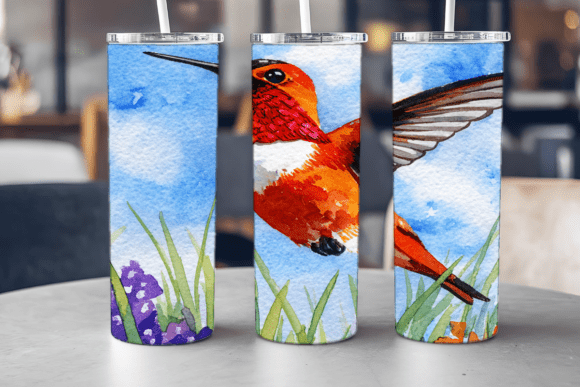
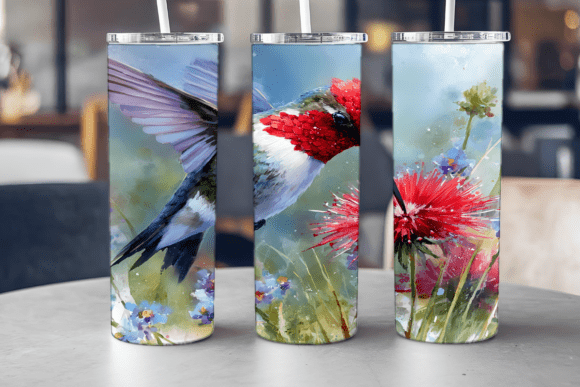
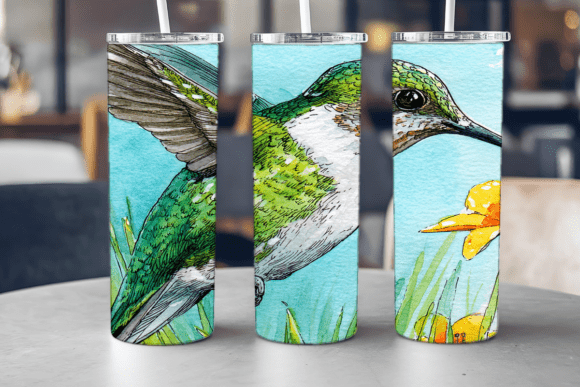
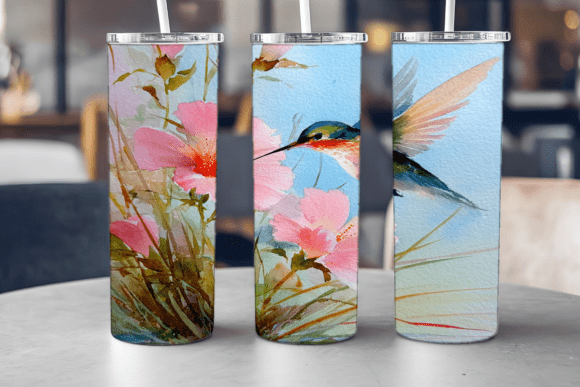
The visual personality of the Hummingbird Garden Tumbler leans heavily into a whimsical, nature-inspired aesthetic. The layout suggests a flowing composition, likely intended to wrap around a cylindrical surface, which presents unique challenges for embroidery compared to flat applications. The mood is light and airy, perfect for spring collections or boutique branding that emphasizes organic elements. However, as a designer, I immediately scrutinize the detail level. In a 300 DPI graphic intended for sublimation or printing, fine lines look crisp. In embroidery, those same lines must be converted into running stitch, satin stitch, or fill stitch paths. If the original graphic relies on tiny, intricate details to define the hummingbird's wings or the garden foliage, we need to be cautious about how those translate into thread without losing definition.
Real-World Application Scenarios
Let's imagine a realistic scenario: You run a small shop selling personalized gifts, and a client wants a custom set of kitchen towels for a housewarming present. They love the Hummingbird Garden Tumbler concept. While the product description mentions tumbler wraps, us embroiderers often adapt graphics for tote bag design projects or sweatshirt embroidery. If you were to adapt this for a tote bag, the "garden" element could serve as a beautiful border along the bottom hem. The key here is scale. On a 20oz tumbler wrap, the design is sized specifically for that curvature. Transferring this to a flat handmade product like an apron or a pillow cover requires resizing, which can impact your stitch density.
For Etsy seller accounts focusing on nursery decor, this design could be stunning on a baby blanket. However, baby items require softer touches. If the digitized version of this graphic (assuming you are having it converted or using a companion embroidery file) uses dense fills for the leaves, it might feel too stiff against sensitive skin. In contrast, for a heavy canvas tote or a denim jacket, that same density adds durability and a premium feel. The versatility of the theme makes it a strong contender for holiday embroidery projects, particularly for Mother's Day or spring-themed boutique runs.
Navigating Technical Challenges
There are specific areas where you need to exercise caution with a design like Hummingbird Garden Tumbler. First, consider the fabric texture. If you are stitching this onto a textured waffle weave towel or a fuzzy fleece sweatshirt, small details in the hummingbird's beak or the flower petals might get lost. The interplay between thread colors and fabric background is critical here. A dark fabric might require a heavier underlay or a different color palette than what is shown in the standard preview to ensure the design pops.
Curved surfaces are another factor. While the original product is a tumbler wrap, if you attempt to apply a similar layout to a curved cap front, the distortion can be significant. Elements on the far left and right of the design might pull or pucker if the hoop size isn't managed correctly or if the stabilizer isn't robust enough. For stretchy fabrics like performance tees, a standard cut-away stabilizer is non-negotiable to prevent the garden elements from warping after the first wash. Always test the design on scrap fabric that matches your final garment before committing to the full production run.
Visual Appeal and Brand Value
The ultimate goal of any commercial embroidery project is to enhance the perceived value of the finished product. A well-executed version of the Hummingbird Garden Tumbler motif signals professionalism. It tells the customer that attention was paid to the aesthetics of their personalized gift. When the stitching clarity is high—meaning no bird nests, clean color changes, and sharp edges—it builds customer trust. This is vital for repeat business in the craft business sector.
Furthermore, consistency is key for brand recognition. If you use this graphic across a line of products, from patches to tea towels, ensure the colorway remains consistent. Using a printable mockup to visualize the final result before stitching can save you time and thread. Remember, the "giftability" of an item often hinges on the finish. A sloppy application of a beautiful design undermines the intent. Ensure that any lettering included in the variation of this design is large enough to stitch out clearly; tiny text is the enemy of durable embroidery.
Practical Notes for Designers
Before you list this as a small shop product or use it for a client order, there are a few housekeeping steps to take. Since the source material is described as a graphic wrap, verify if you have a corresponding digital embroidery file or if you need to hire a digitizer to convert the art. If you are working with an existing embroidery file based on this art:
- Check the Stitch Count: High stitch counts increase production time and cost. Ensure it aligns with your pricing model.
- Review Color Stops: Minimize unnecessary trims to keep the production flow smooth.
- Test on Dark and Light: Verify that the design holds up on both black and white backgrounds.
- Confirm Licensing: Even for instant downloads, double-check the terms regarding commercial use. Can you sell the finished embroidered item? Can you resell the file?
- Inspect Small Details: Zoom in on the digitized preview. Are the tiny flowers in the garden defined enough, or will they turn into blobs of thread?
In conclusion, the Hummingbird Garden Tumbler offers a charming aesthetic that fits well within the current market trends for nature-inspired goods. However, its success lies in the execution. By respecting the limitations of the medium, choosing the right materials, and testing thoroughly, you can transform this graphic into a standout finished product that delights customers and strengthens your portfolio.