Review: Pastel Lotus Flower Watercolor Tumbler Design
As a designer who spends more time staring at stitch maps than most people care to admit, I approach every new digital embroidery file with a mix of curiosity and skepticism. We have all been burned by beautiful preview images that turn into thread nests on the hoop. So, when I first encountered the Pastel Lotus Flower Watercolor Tumbler, my initial reaction wasn't just about the aesthetic; it was about translation. How does a watercolor concept, typically defined by soft bleeds and transparency, hold up when forced into the rigid geometry of thread? After mentally walking through several potential embroidery projects, I have formed some practical thoughts on where this design shines and where it requires careful handling.
The Aesthetic Mood and Visual Personality
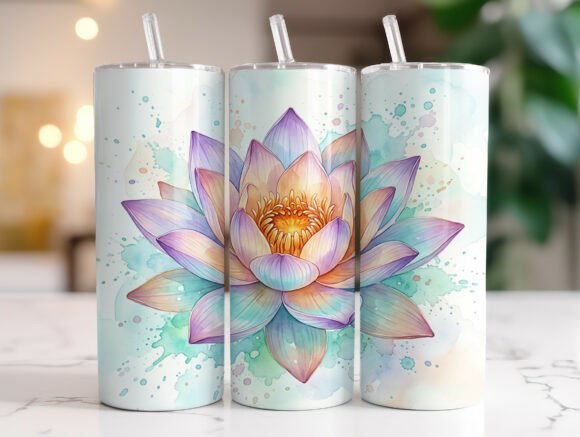
The first thing that strikes me about the Pastel Lotus Flower Watercolor Tumbler is its gentle, calming mood. Unlike bold, high-contrast logos often used for corporate branding, this graphic leans heavily into the "soft girl" aesthetic or boutique wellness vibe. The pastel palette suggests tranquility, making it an ideal candidate for lifestyle products rather than heavy-duty workwear. In a real-world scenario, I can immediately picture this stitched onto a cream-colored linen tote bag or a heather grey sweatshirt. The watercolor style implies a certain fluidity, which challenges us as embroiderers to replicate that look without losing definition.
For an Etsy seller or small shop owner, the visual personality of this design is a strong asset. It feels handmade even before a single needle hits the fabric. This aligns perfectly with current trends in home decor and personal accessories where customers seek uniqueness over mass-produced perfection. However, because the source files are high-resolution PNGs intended for sublimation or printing (specifically noted as perfect for 20oz skinny tumblers), using this as a basis for machine work requires a strategic approach to digitizing or selecting the right pre-made applique design version if available.
Real-Life Application Scenarios
Let's get practical. If I were preparing a custom order for a client wanting a personalized gift for a yoga instructor or a new mother, this design would be my top contender. Imagine a set of kitchen towels or a nursery blanket featuring this lotus motif. The soft colors would complement a baby's delicate skin tone and fit seamlessly into a neutral nursery palette. For a holiday embroidery project, perhaps a Mother's Day gift, pairing this with a simple script font could create a highly giftable item that feels thoughtful and curated.
In the realm of custom apparel, this graphic works exceptionally well on textured fabrics like French terry or waffle knit. The slight irregularity of the fabric texture can actually enhance the watercolor effect, masking the rigid lines of a standard fill stitch. I would also consider using this for an embroidered patch. By stitching it on a twill base with a merrowed edge, you create a durable accessory that can be ironed onto denim jackets or canvas backpacks, extending the life of the design beyond a single garment.
It is important to note that while the product description highlights its use for Tumbler Wraps and Graphics, adapting it for embroidery changes the rules. A sublimated tumbler relies on ink diffusion, whereas embroidery relies on thread layering. Therefore, the "finished product" look will differ significantly from the digital mockup. Managing customer expectations here is crucial; they need to understand that the embroidered version will have a tactile, raised quality that differs from the flat print shown in the listing.
Technical Considerations and Fabric Choices
Working with pastel designs on dark fabric is always a risk. If you attempt to stitch the Pastel Lotus Flower Watercolor Tumbler directly onto a navy or black garment, the light thread colors may appear washed out or fail to provide sufficient coverage. In these cases, I strongly recommend using an underlay strategy or considering an appliqué method where a white or light-colored base fabric is stitched down first. This ensures the pastel hues pop with the intended vibrancy.
Stitch density is another critical factor. Watercolor effects often rely on varying opacity. In embroidery, achieving this without creating a stiff, cardboard-like feel requires careful manipulation of stitch density. If you are digitizing this yourself from the PNG files provided, avoid packing the stitches too tightly. Use lighter fill patterns or even running stitch outlines to suggest the shape rather than filling every pixel. For those using a pre-digitized version, check the stitch count relative to the hoop size. A dense design on a stretchy fabric like a tri-blend t-shirt will cause puckering, ruining the drape of the handmade product.
Curved surfaces present their own challenges. While the original graphic is optimized for a straight or tapered tumbler, translating this to a cap or a curved pillow cover requires distortion compensation. The lotus petals, being organic and rounded, might look skewed if not adjusted for the curve of a baseball cap. Always test your design on a scrap piece of the actual material you intend to use. This is non-negotiable for maintaining professionalism in a craft business.
Enhancing Brand Value and Customer Trust
The choice of design directly impacts perceived value. A well-executed version of the Pastel Lotus Flower Watercolor Tumbler elevates a simple tote bag into a boutique item. Customers associate clean, intentional stitching with quality. Conversely, sloppy execution with visible pull or poor color choices can damage brand reputation. When selling design assets or finished goods, consistency is key. If you offer this design across multiple products—say, a matching set of a tote, a tee, and a patch—ensure the thread colors remain consistent to build brand recognition.
Furthermore, the versatility of this graphic allows for diverse revenue streams. Beyond physical goods, the high-resolution PNGs included in the download are excellent for creating printable mockups for your online store. You can showcase how the design would look on various items before committing to production, helping customers visualize the end result. This bridges the gap between the digital file and the physical finished product, increasing buyer engagement and confidence.
Final Designer Notes and Best Practices
Before launching into production with the Pastel Lotus Flower Watercolor Tumbler, keep these actionable tips in mind:
- Test First: Always stitch out on scrap fabric identical to your final material to check for puckering or registration issues.
- Thread Contrast: Verify that your chosen thread colors provide enough contrast against the fabric background, especially with pastels.
- Stabilizer Selection: Match your stabilizer to the fabric weight. Cut-away is usually safer for garments that will be washed frequently, while tear-away works for stable woven items like towels.
- Check Licensing: Since this is a digital download, confirm the license terms regarding commercial use. Ensure you are allowed to sell physical items made with this design if you are running a small business.
- Inspect Details: Look closely at the small corners of the lotus petals. Fine details can get lost in thick thread; you may need to simplify the digitizing in these areas.
- Mockup Verification: View your design in black and white to ensure the tonal values hold up without relying solely on color.
In conclusion, the Pastel Lotus Flower Watercolor Tumbler is a versatile and aesthetically pleasing graphic that, when treated with technical respect, can become a standout element in your embroidery portfolio. It bridges the gap between digital artistry and tactile craft, offering a fresh look for modern small shop products. Whether you are creating a one-off personalized gift or scaling up for a seasonal collection, this design offers the flexibility needed to succeed in today's creative market. Just remember: the file is the starting point, but your expertise in handling fabric and thread is what truly brings the lotus to life.